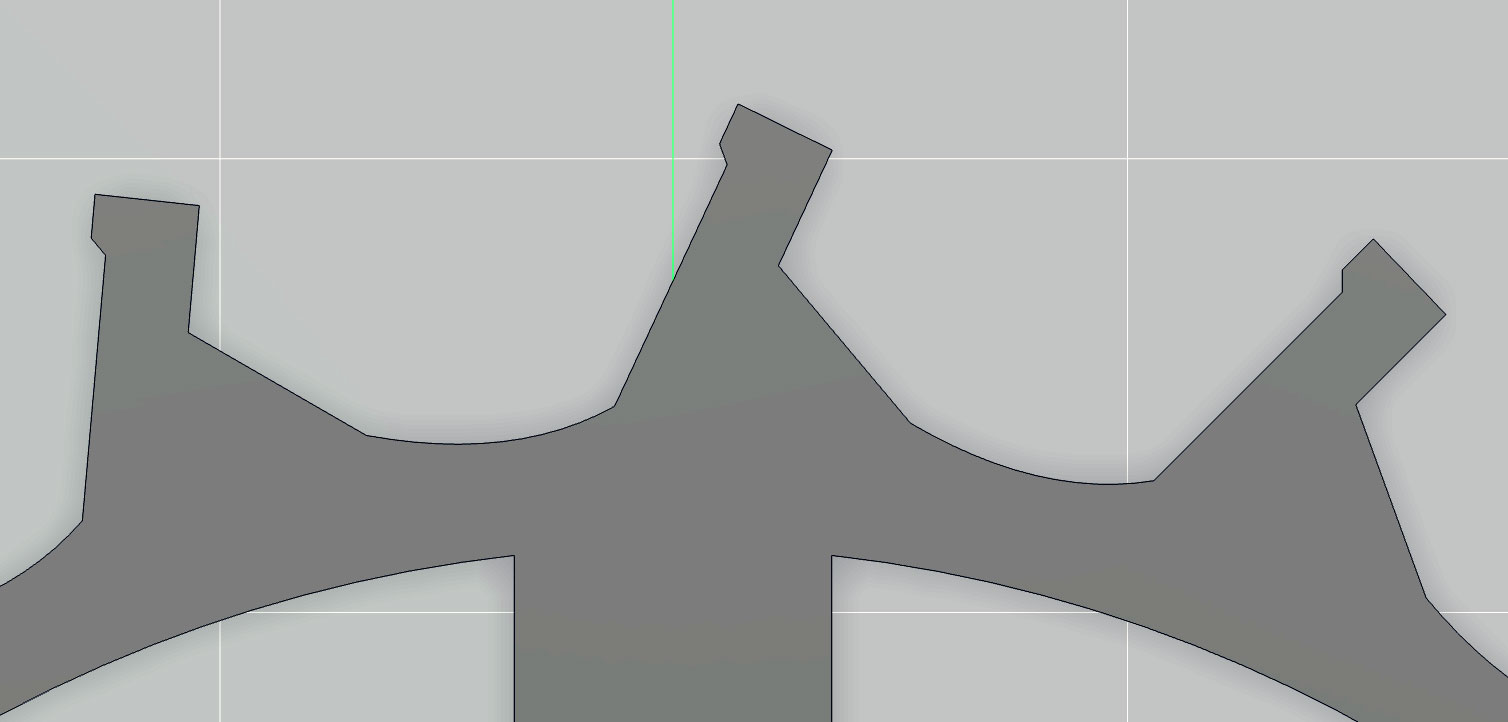
TLDRThis blog post offers a quick look at the top and bottom incabloc components, modeled based on details from the incabloc website. The author is hoping to find a source to procure these pieces, showcasing sketches labeled sus 100.12.257 and sous 103.20. If you're into watchmaking or horology, it's a neat peek into the specifics of these watch elements. ⏱️
Show moreShow less
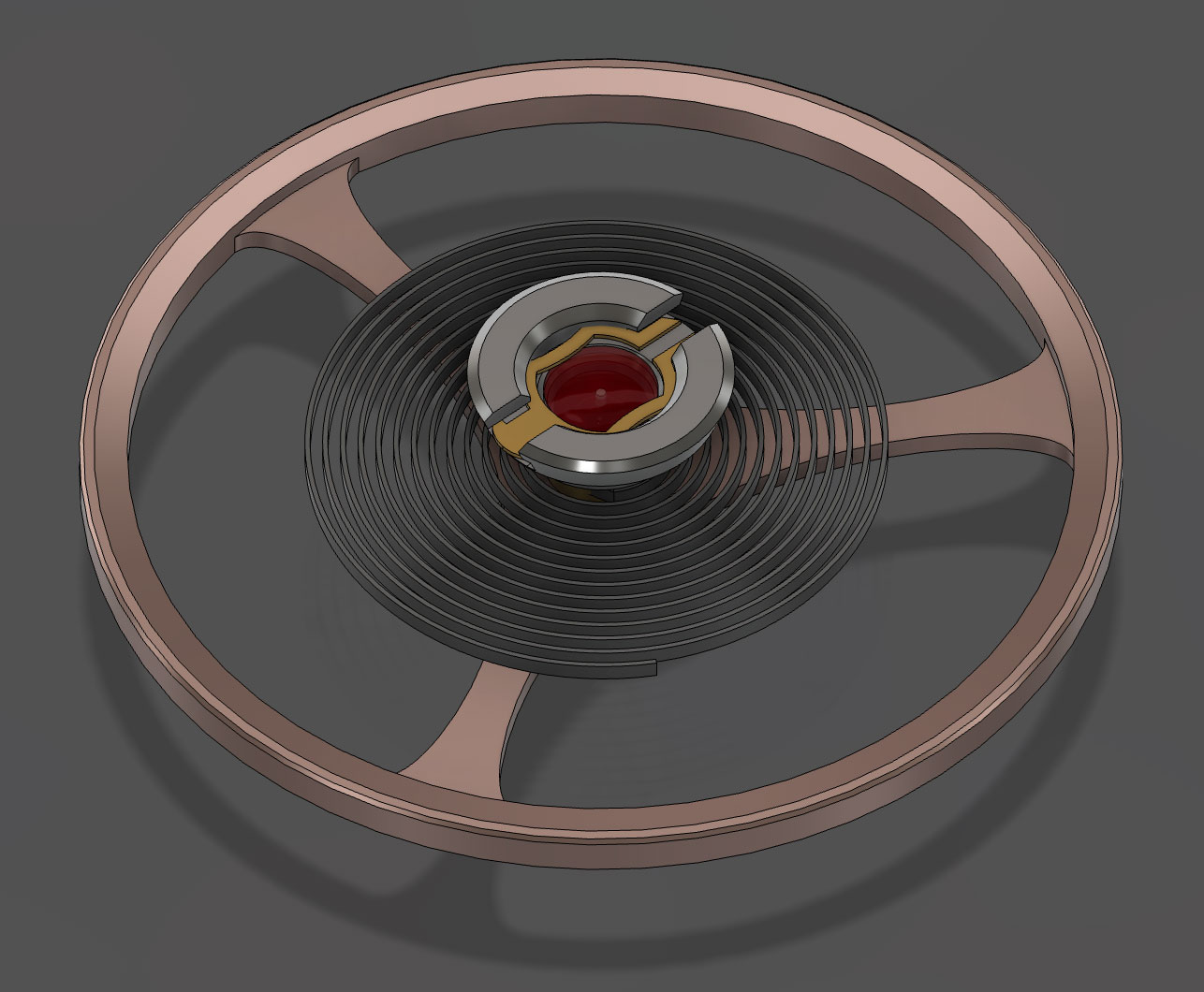
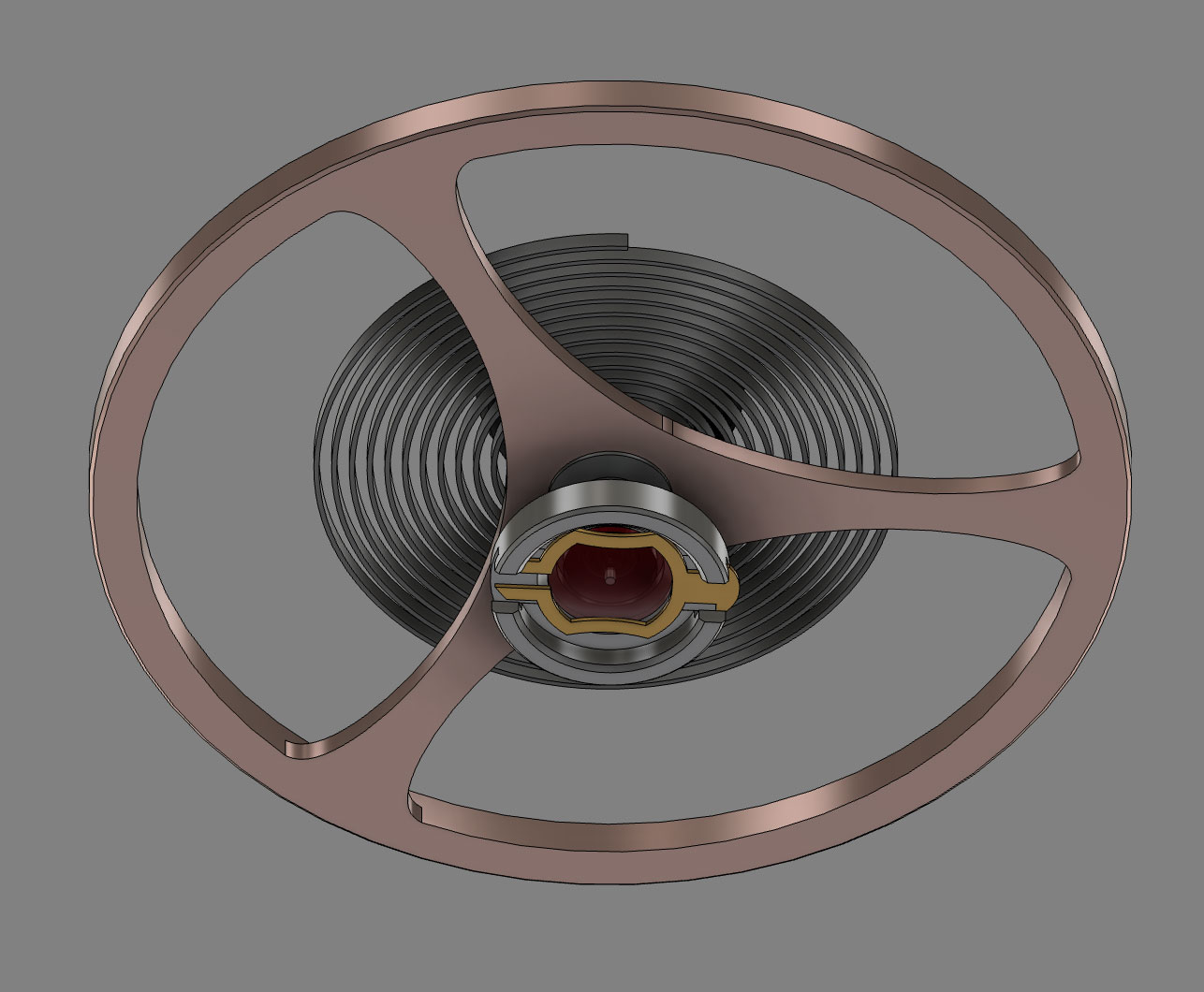
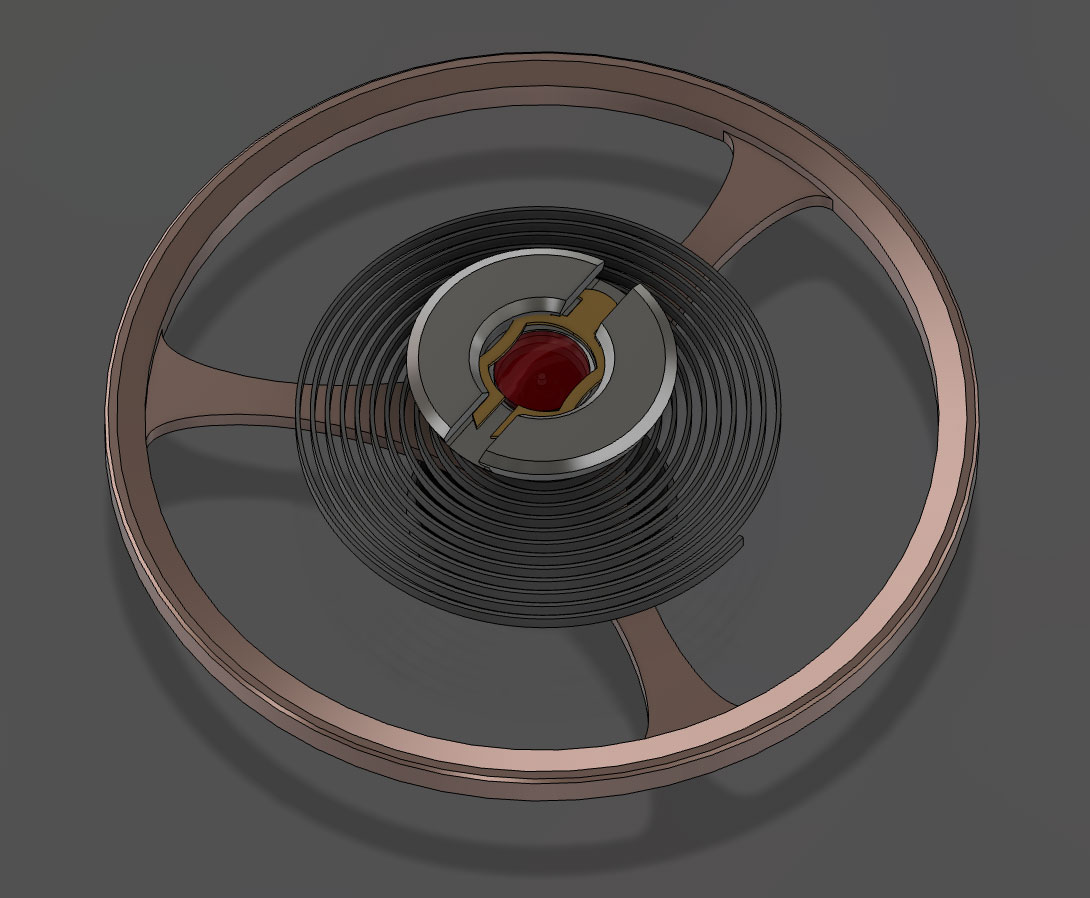
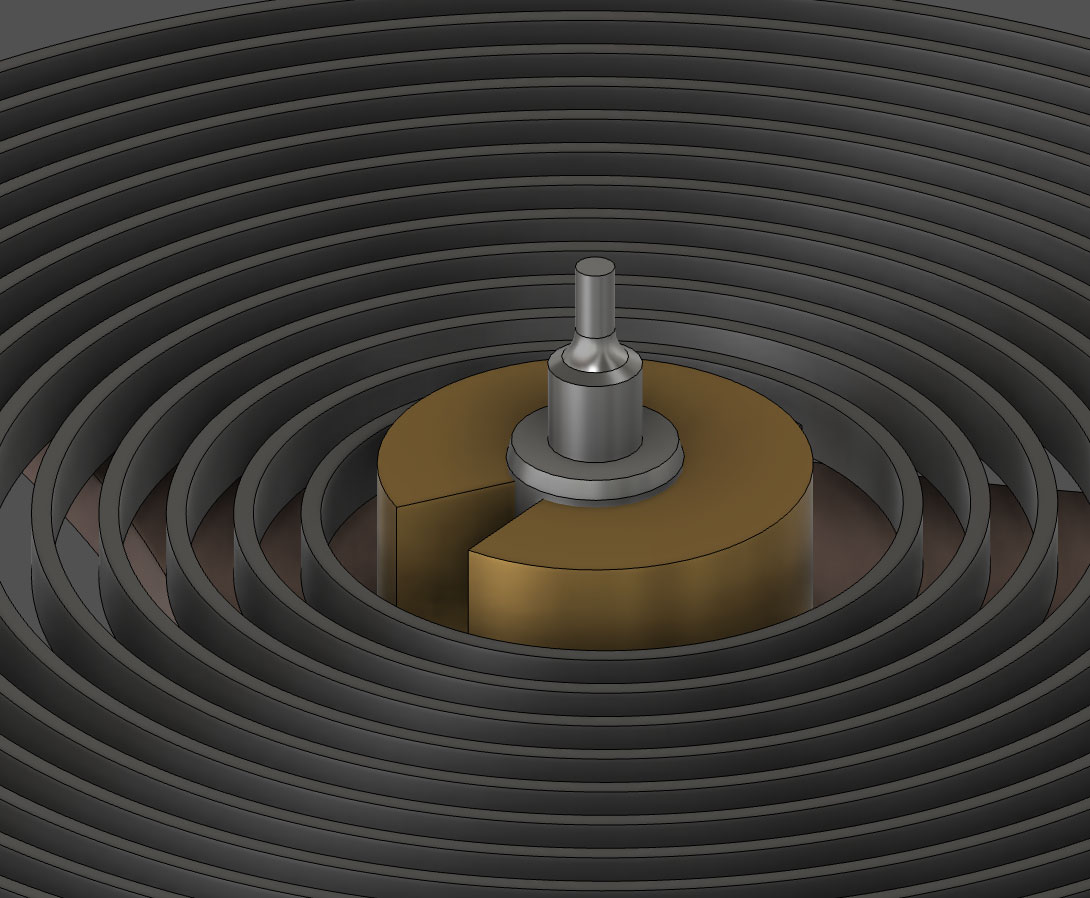
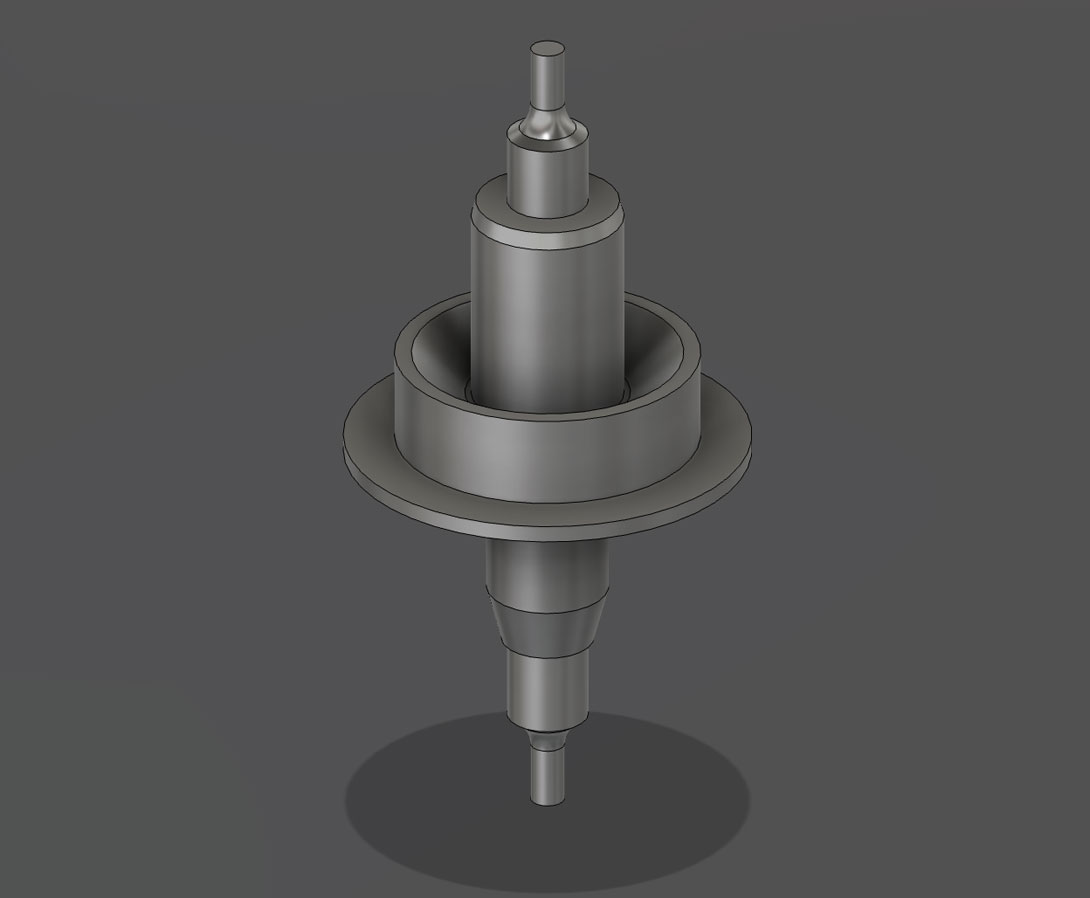
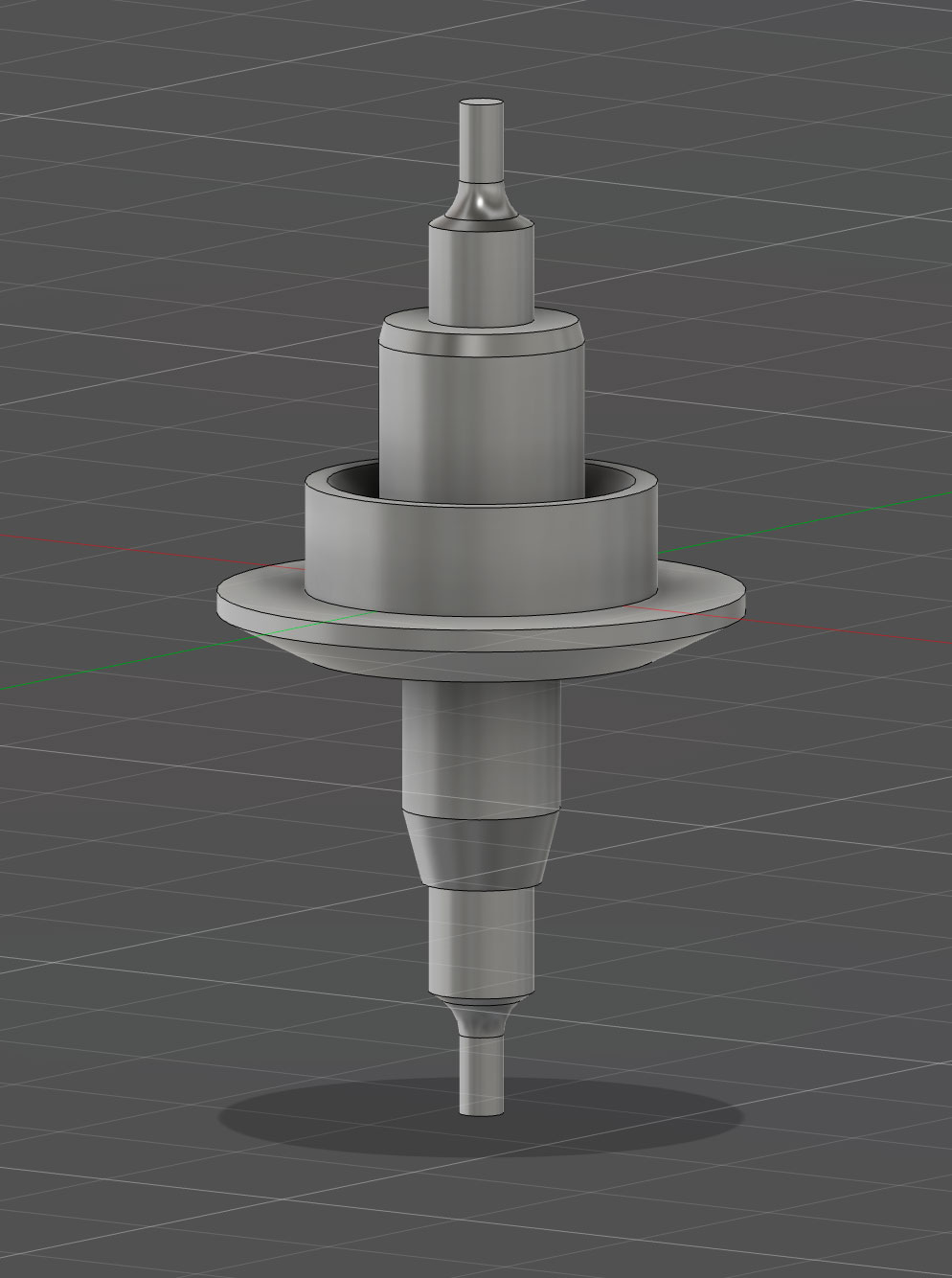
Quick exploration of top and bottom incabloc.
I modeled these based on the incabloc website, hopefully I can source them from somewhere:
TLDRSwitching from 36000 vph to 28800 vph in watchmaking simplifies the process by reducing the need for additional wheels, and aligning with NIHS standards eases this transition. The exploration involves fine-tuning various components like the balance wheel and hairspring, with ongoing adjustments to optimize performance. The author is considering component choices like Incabloc and fendue virole, navigating decisions between laser welding and pinning techniques. 🕰️
Show moreShow less
Exploring 28800 vph
It seems 36000vph, forces me to add a third and fourth intermediary wheels to the train, Im not sure I like that.
I decided to explore 28800 vph, following NIHS rules actually simplifies the process (NIHSG_34-04, NIHSG_34-25, NIHSG_35-10, NIHSG_35-15, NIHSG_35-20)
Please note that due to my exploration, these values are constantly changing
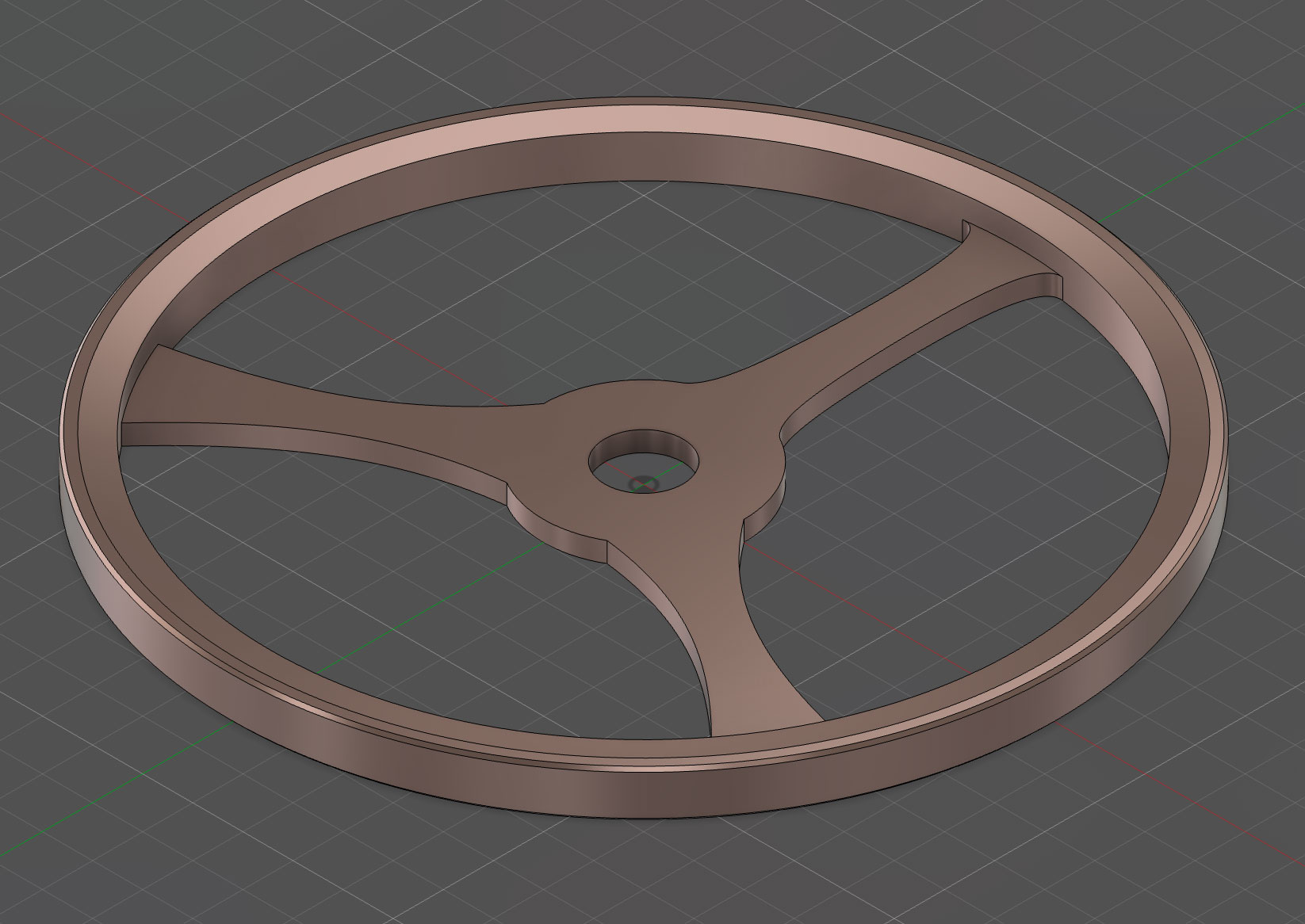
Balance wheel Inertia
12.5mm
Balance wheel Diameter
10mm
Hairspring D
6mm
Hairspring d
1.3mm
Hairspring h
0.18mm
Hairspring P
0.17mm
Hairspring K
2.65 10^-2 N·mm³/rad
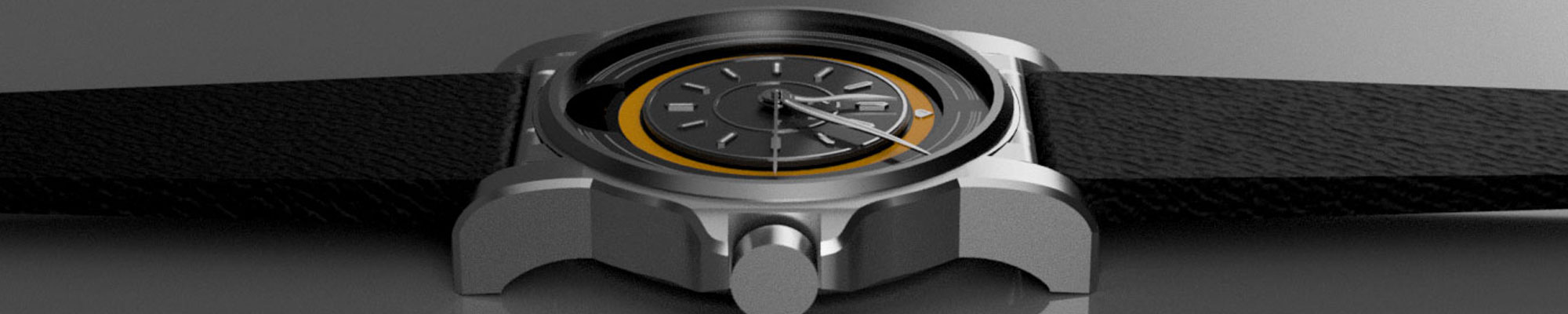
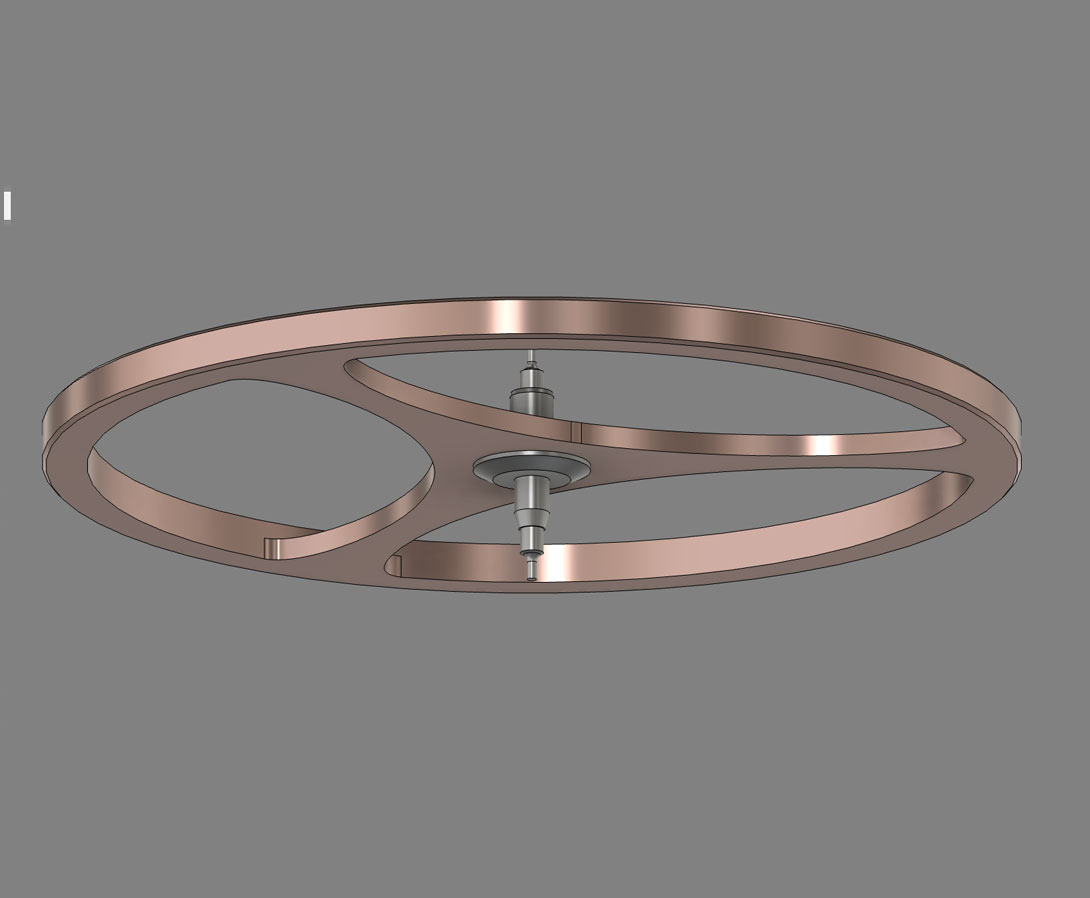
Overall view with a candidate of Incabloc 100.11.310/0* , though maybe it's a bit thick 🤔
Decided with a fendue virole (NIHSG_35-20), still need to figure out if going with laser-weld, or Pinning with a stick
TLDRHad a breakthrough day fine-tuning my watch movement with a little help from ChatGPT, nailing down the ideal specs for the balance wheel and hairspring. Weighing material options like Glucydur and brass was a challenge, but I made a smart choice, and now I'm on the hunt for the perfect hairspring. 🚀 Things are really coming together!
Show moreShow less
Fine-Tuning My Watch Movement: A Day of Progress
Today was a significant step forward in designing my 36,000 vph watch movement. With the invaluable help of ChatGPT, I tackled key areas like refining the balance wheel and hairspring, choosing the best materials, and fine-tuning my calculations.
Balancing the Wheel and Hairspring
For my movement to function at 5 Hz, I needed the right balance wheel (8.25 mm, 6.3 mg·cm²) paired with a precise hairspring. After some detailed calculations, I determined the ideal CGS number (K) to be 22.43 dyne·cm²/rad (or 224.3 N·mm³/rad in SI). ChatGPT helped break down the complex formulas and get everything just right.
Material Selection
Choosing between Glucydur, beryllium copper, and brass was tricky. Glucydur offers superior stability, while brass is easier to machine. With ChatGPT's input, I weighed the pros and cons and made an informed decision for my balance wheel.
Perfecting the Numbers
Precision was key, so I worked through the NIHS standards to ensure my balance wheel tolerances were spot on, with ChatGPT guiding me through the calculations for tolerance classes like js7. This gave me confidence in my design's accuracy.
Sourcing
Im trying to source a hairspring now that I know the numbers, hopefully I find someone willing to sell them to me.
TLDR:
Today's progress, supported by ChatGPT, brought me closer to realizing my high-frequency watch movement. From calculating the perfect hairspring to choosing materials, everything is falling into place!
(yes, chatgpt summarized all our interaction today, hehe)
TLDRIf you're into watchmaking, using 301 steel for mainsprings and Nivarox for hairsprings is the go-to choice. Creating a mainspring from scratch involves stamping, annealing, hardening, tempering, and coiling the metal. Even if you're not sure how to do it yet, it sounds like a fun challenge to tackle! 😃
Show moreShow less
Chatting with ChatGpt regarding some materials
TLDR; 301 steel will work for mainsprings and Nivarox for the hairspring
It'd be cool to make it from scratch, e.g the mainspring, I'll need to:
Stamp the Piece of Metal
Anneal the Metal
Harden the Metal
Temper the Metal
Coil the Mainspring
Do I know how to do this, Nope, but sounds like a challenge 😃
TLDRThe blog post features a video visualization of an escapement mechanism, a topic often explored but still fascinating for its intricate functionality. If you're curious about how these tiny components keep time ticking, this visual deep dive might be worth your few spare minutes. Perfect for a quick, enlightening break in your day. ⏱️
Show moreShow less
Quick viz of escapement
I know this has been done thousands of times by many people, still is quite cool to understand
TLDRThe blog post dives into watchmaking tweaks, focusing on using specific Bergeon jewels to refine a watch's fork and balance roller for optimal performance. Inspired by George Daniels' "The Practical Escapement," you're exploring new angles to achieve 36,000 vibrations per hour. If you're into precision timekeeping, this experiment might just pique your interest! 🕰️
Show moreShow less
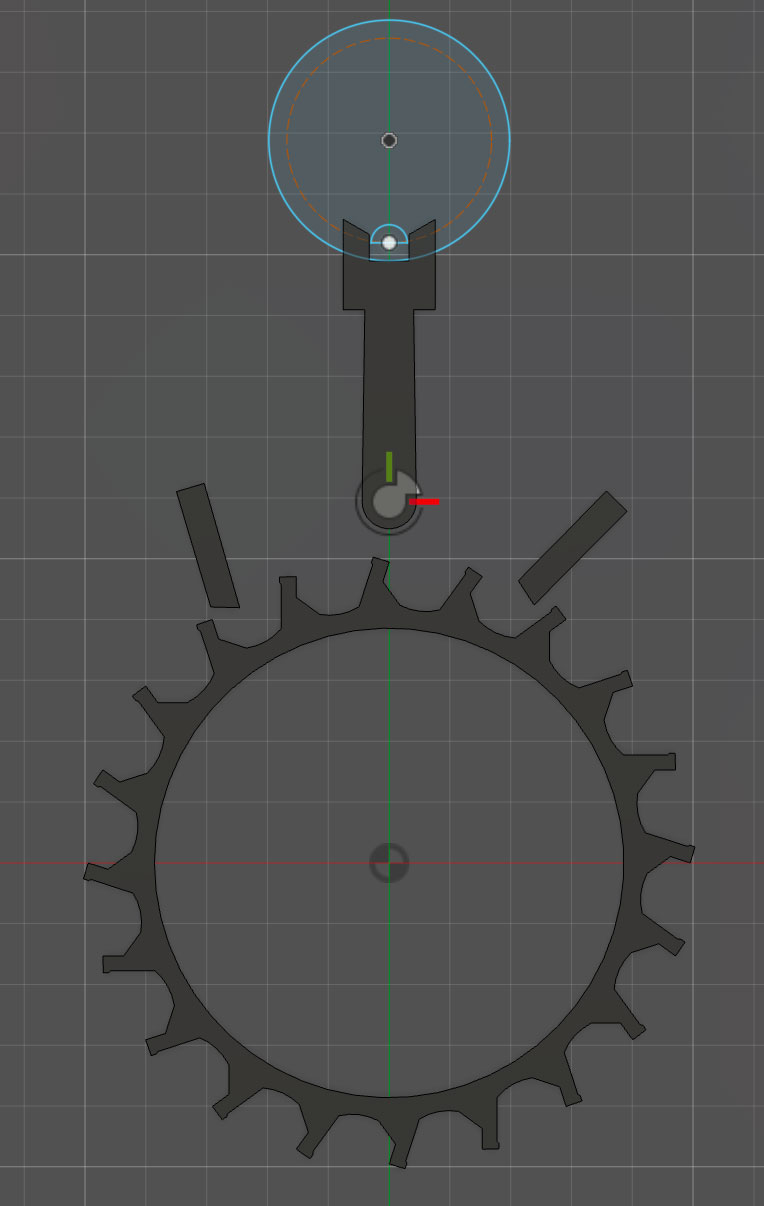
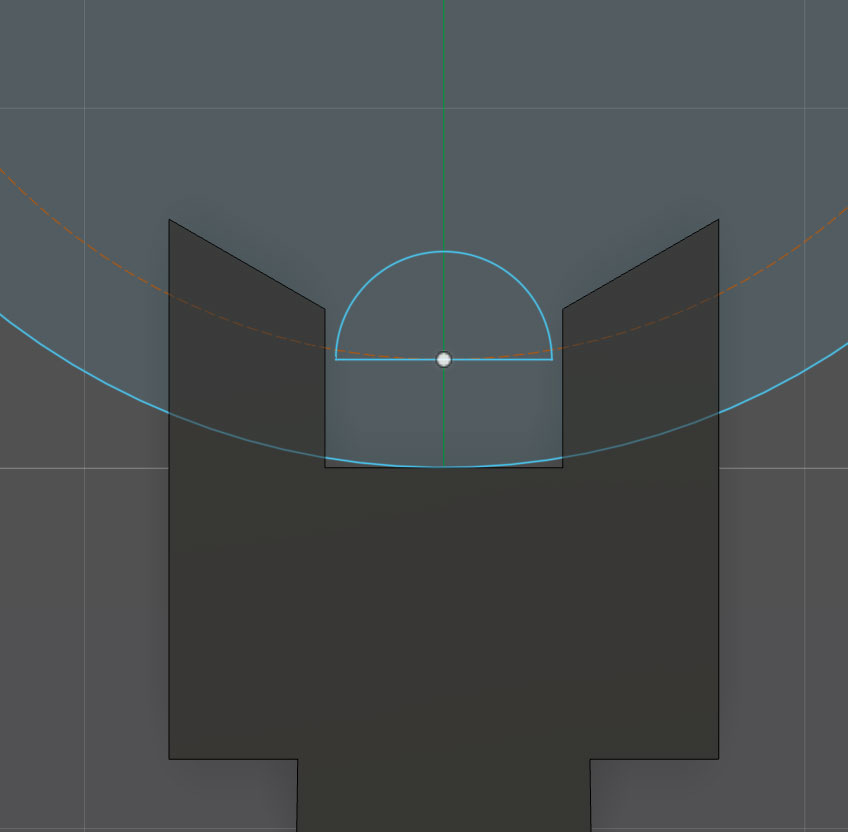
Fork and Balance Roller Jewel.
The animation on the previous post helped a lot! I added to the script building the fork based on the bergeon jewels I'm gonna test, it will be easy to change later
Also after receiving the book "The practical Escapement" by George Daniels, I discovered an update to the angles on generating the wheel and pallet to be able to reach 36000 vph. gonna try that
TLDREnergy transfer in a watch involves the balance wheel nudging the pallet fork to release the escapement wheel, which then slides energy from the mainspring to keep the balance wheel oscillating. The key is optimizing the angles and contact points for efficient energy transfer, so the watch ticks smoothly. 🎥 Check out the animation for a visual breakdown!
Show moreShow less
Transfer of energy
This took me longer than expected to understand. Turns out:
The balance wheel gives a small push to the pallet fork, allowing it to release the escapement wheel.
The escapement wheel, powered by the mainspring, transfers energy to the pallet fork by sliding along the impulse faces of the pallet jewels.
This energy is delivered to the balance wheel, providing the necessary impulse to keep it oscillating, which is why optimizing the impulse angle is important for efficiency.
Notes:
There are indeed two forces: one from the balance wheel, and one from the escapement wheel.
The pallet fork angle is crucial to allow the roller jewel to enter, be caught by the fork, receive the impulse, and exit smoothly.
The roller jewel must make contact with both sides of the pallet fork to transfer energy efficiently.
The shape and strength of the roller jewel are important to handle impacts on both
At least this is how I think it is, cant make any guarantees yet hehe
TLDRJust updated the fork design with precise rotation, setting a 10° side-to-side bounce angle for better performance. Check out the video for a visual on how it all works. Perfect for those interested in the mechanics behind the build! 🛠️
Show moreShow less
Top part of fork
Added the proper rotation to the construction, so the shaft will bounce at the proper angle with a defined width.
It will have 10° from side to side
TLDRYou're exploring different options for your watch's escapement, specifically looking at a 21600 vibrations per hour (vph) setup after finding 28800 vph may be too much. You've got setups ready for various tooth escapements and are fine-tuning the design, adding more parameters for customization. The takeaway? You're diving deep into the mechanics to optimize performance and design. 🕰️
Show moreShow less
21600 vph
After continuing studying NIHS standards, I noticed a vph I was not familiar with... 21600vph
Is it good? I dont know, but since the 24 wheel is what I need for the 28800 vph, and according to chatgtp it might be a lot, Im trying other options
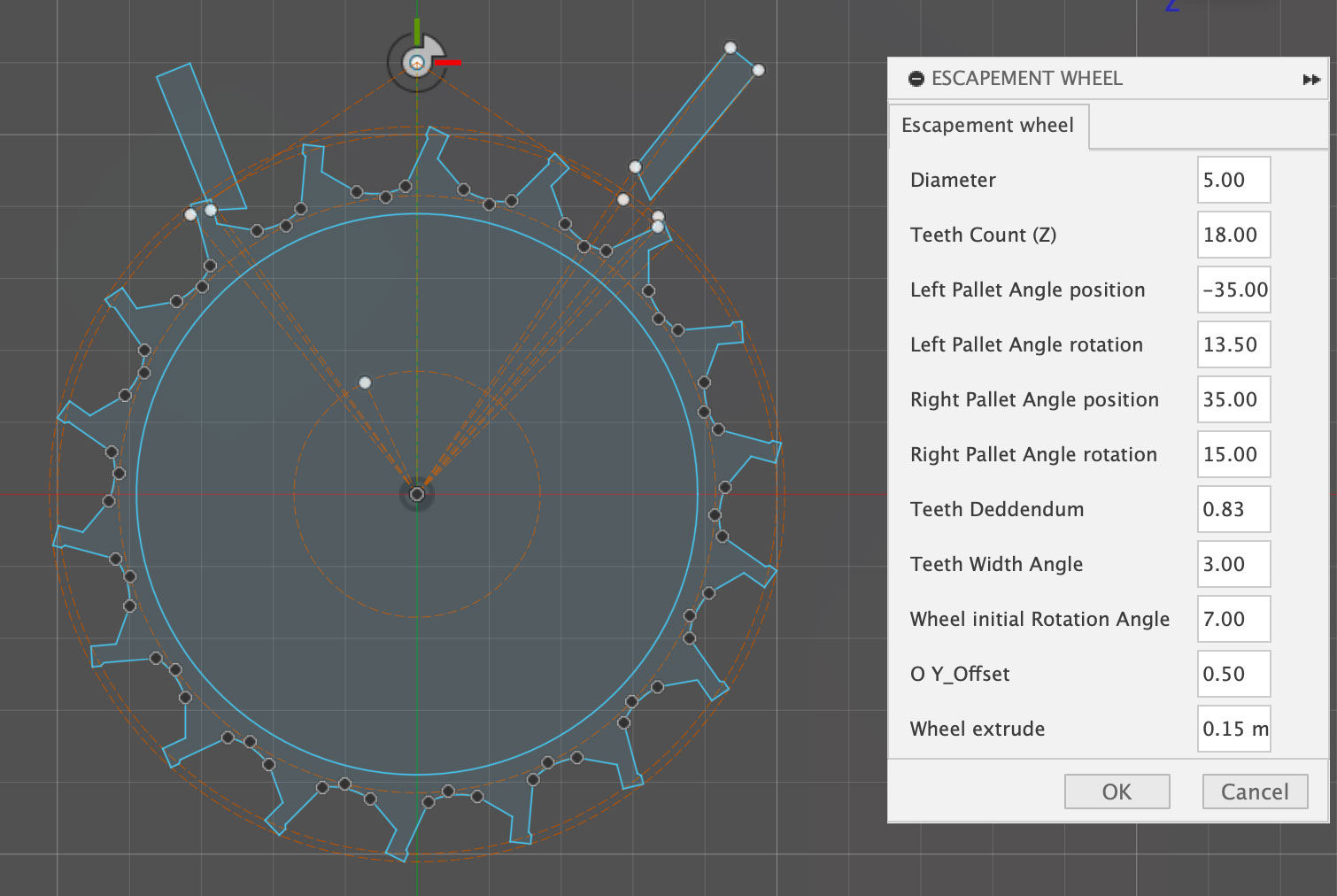
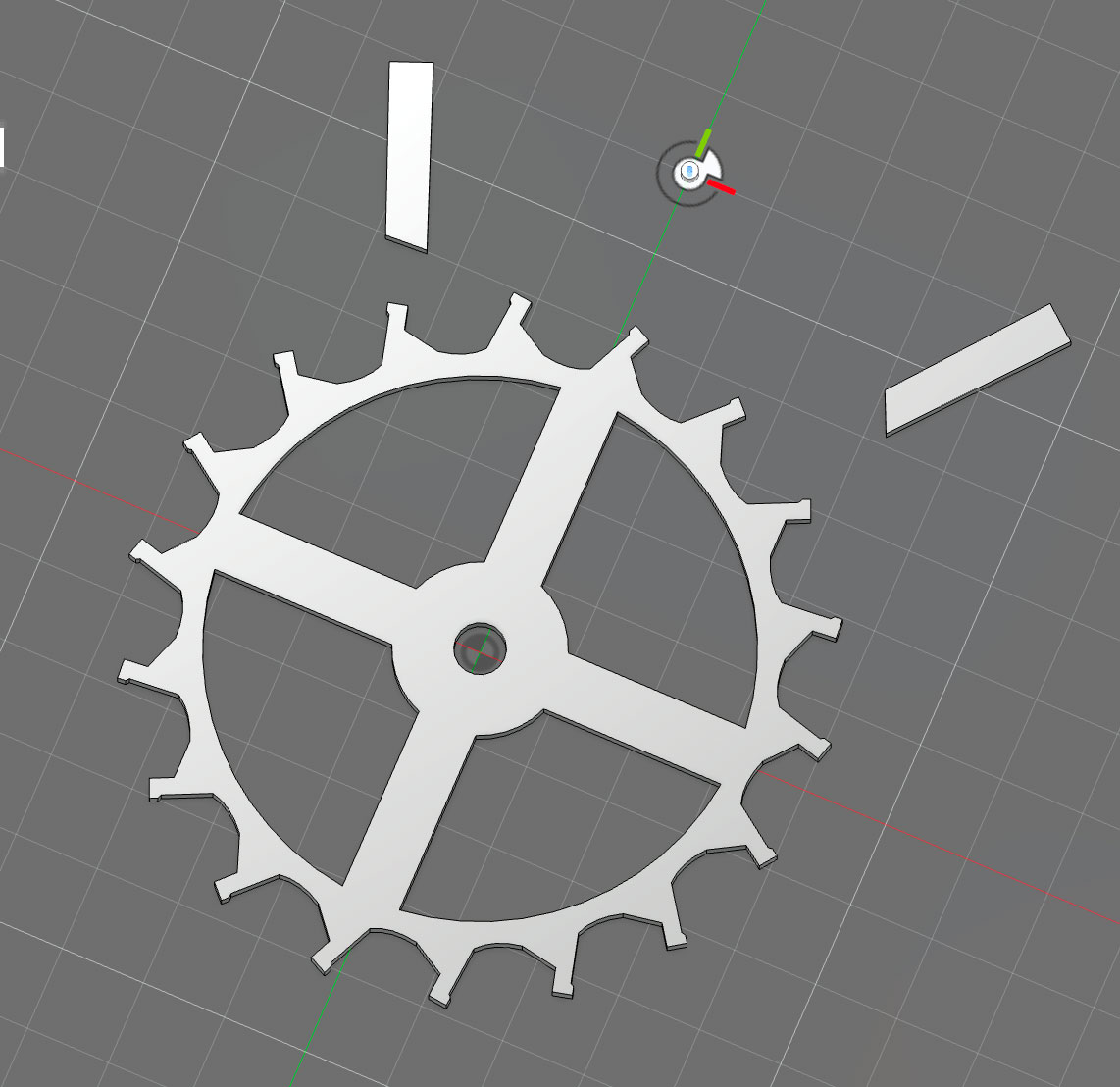
The good thing is that I have setups now for 15-18-20-24 teeth escapements.
TLDRTinkering with George Daniels's escapement design, I had to modify the angles and symmetry to get it working with more than 15 teeth. Still fine-tuning those angles, but I've put together a quick animation to show the progress. Watch the video to see the mechanics in action! ⚙️
Show moreShow less
Escapement Wheel Continuing
Ok I could only take George Daniels's escapement so far with the 15+ teeth.
Had to start modifying it, angles, symetry and more, to make a working escapement.
I think I still need to improve some angles, heres a very quick animation