
TLDRJust printed my first 3D case! 🎉 Thanks to Alexis for making it happen, it's amazing to see the design in real life. With two parts done, it’s all about refining from here—stay tuned for more updates!
Show moreShow less
First 3D-Printed Case! 🎉
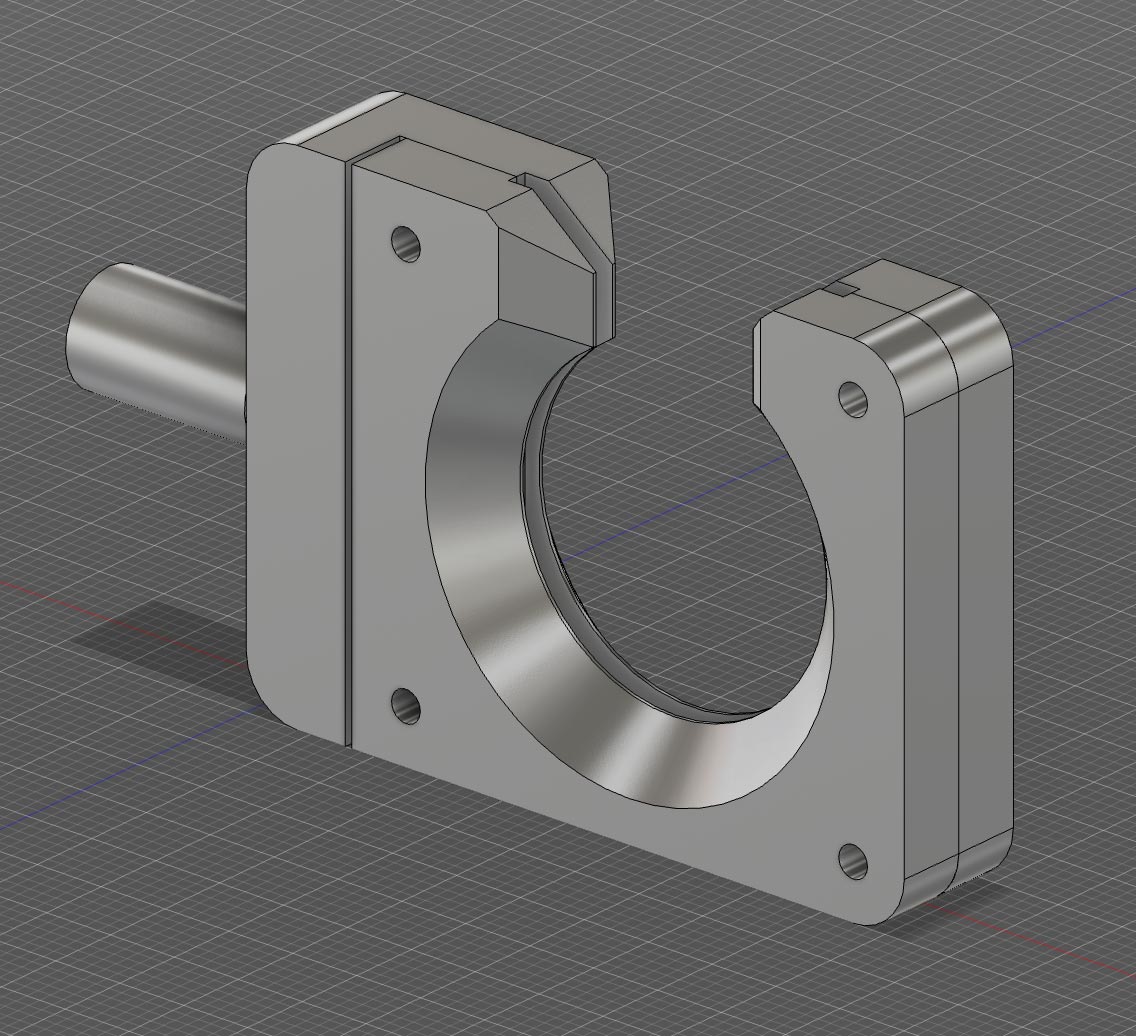
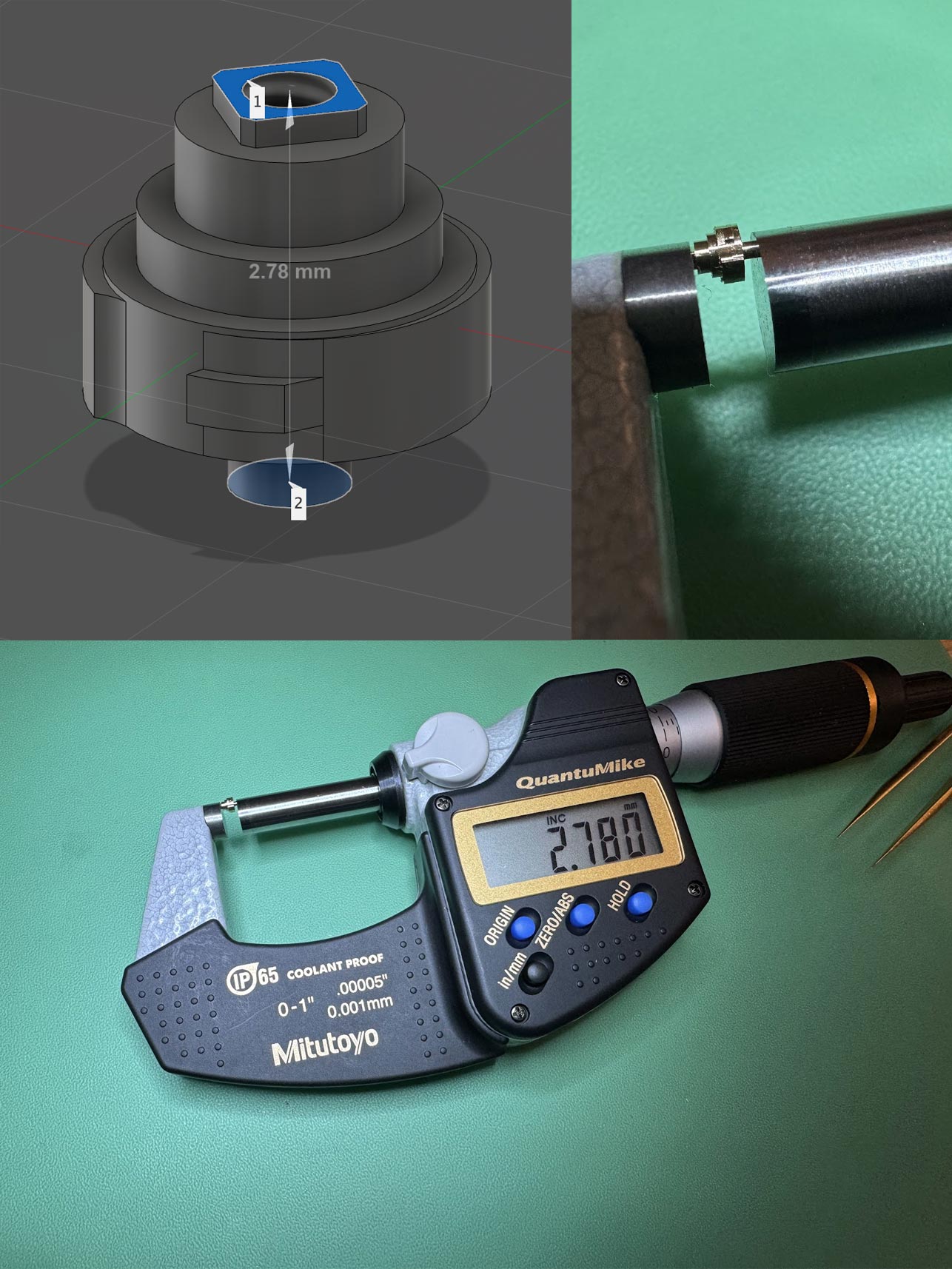
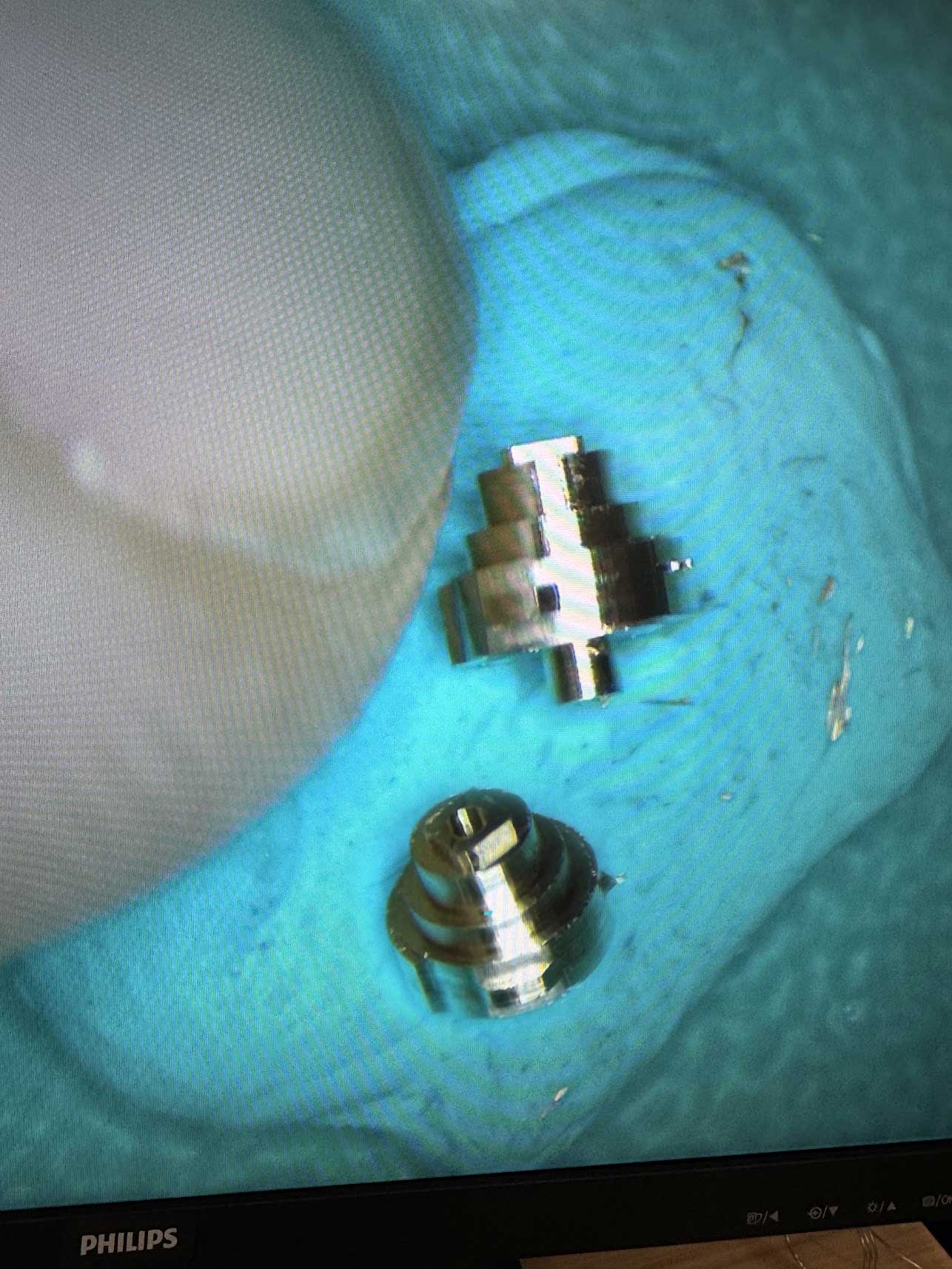
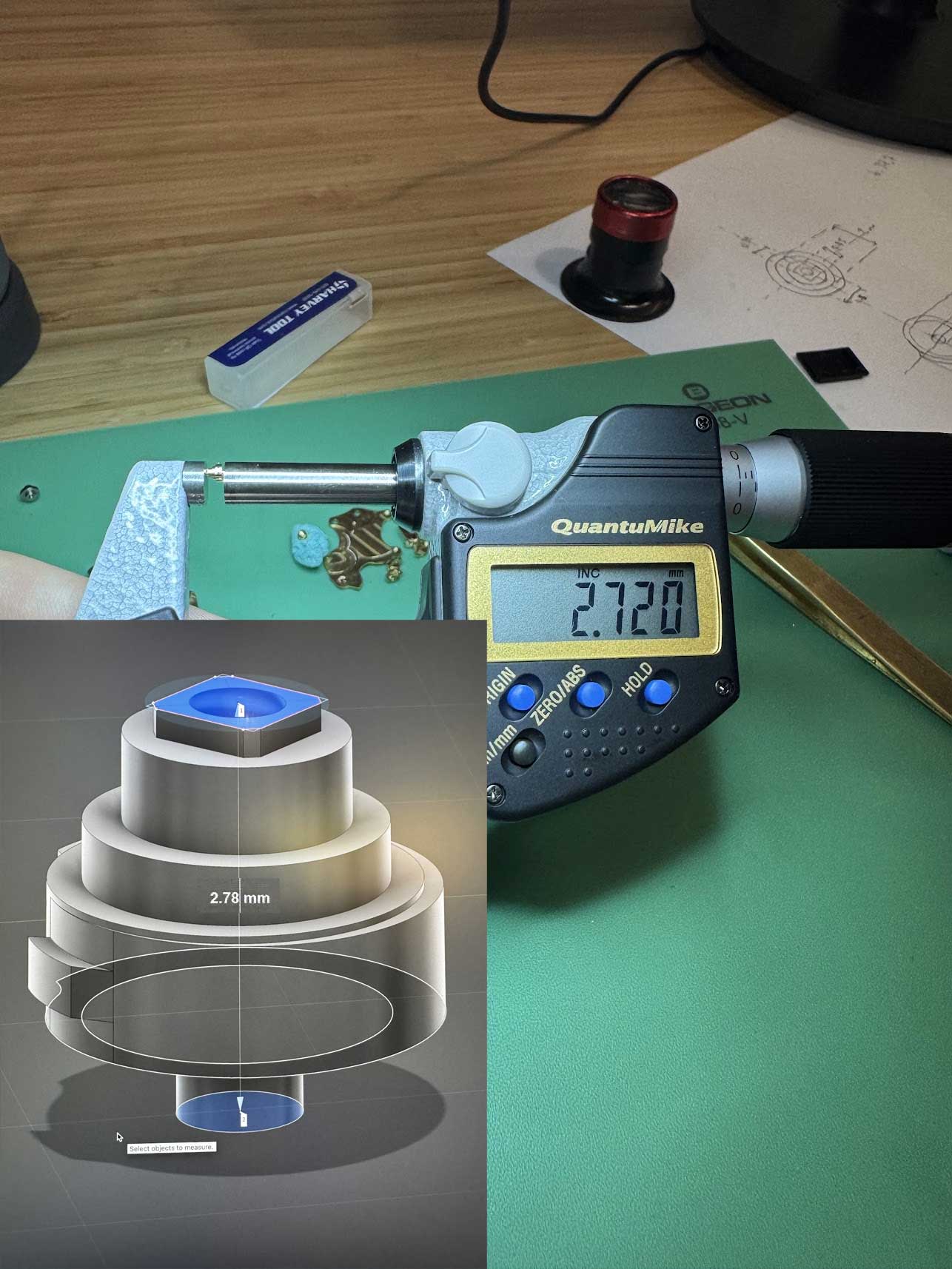
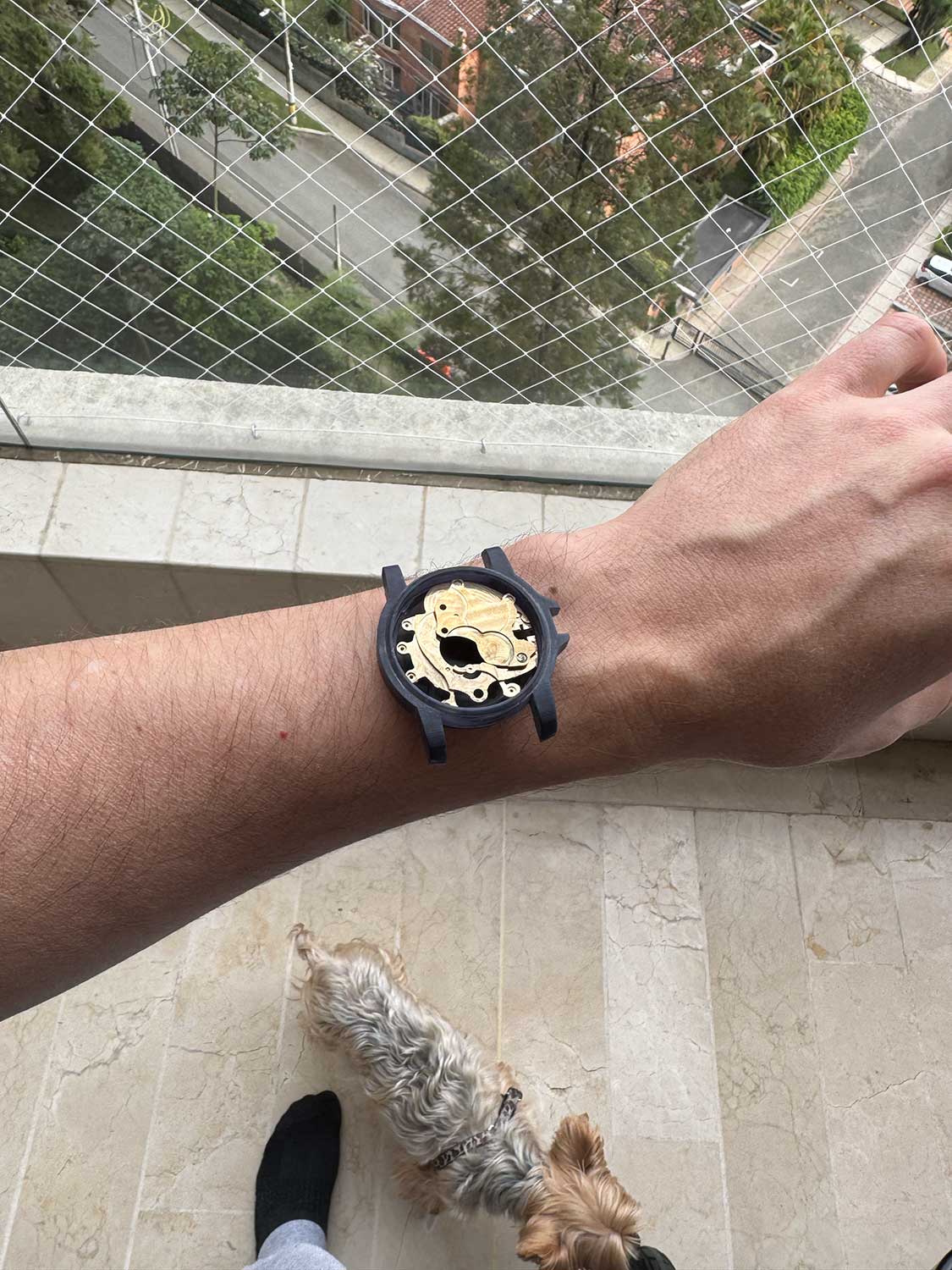
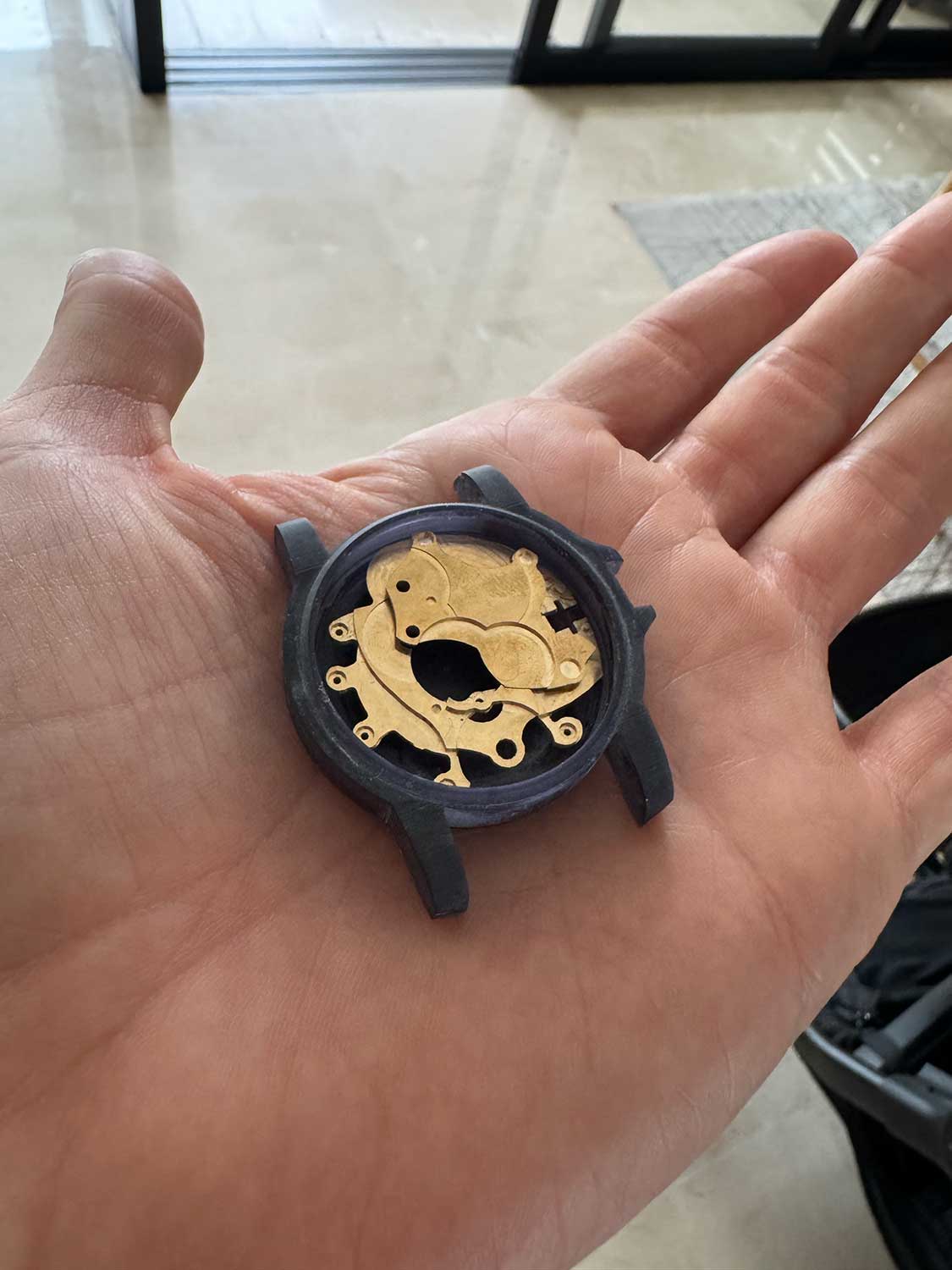
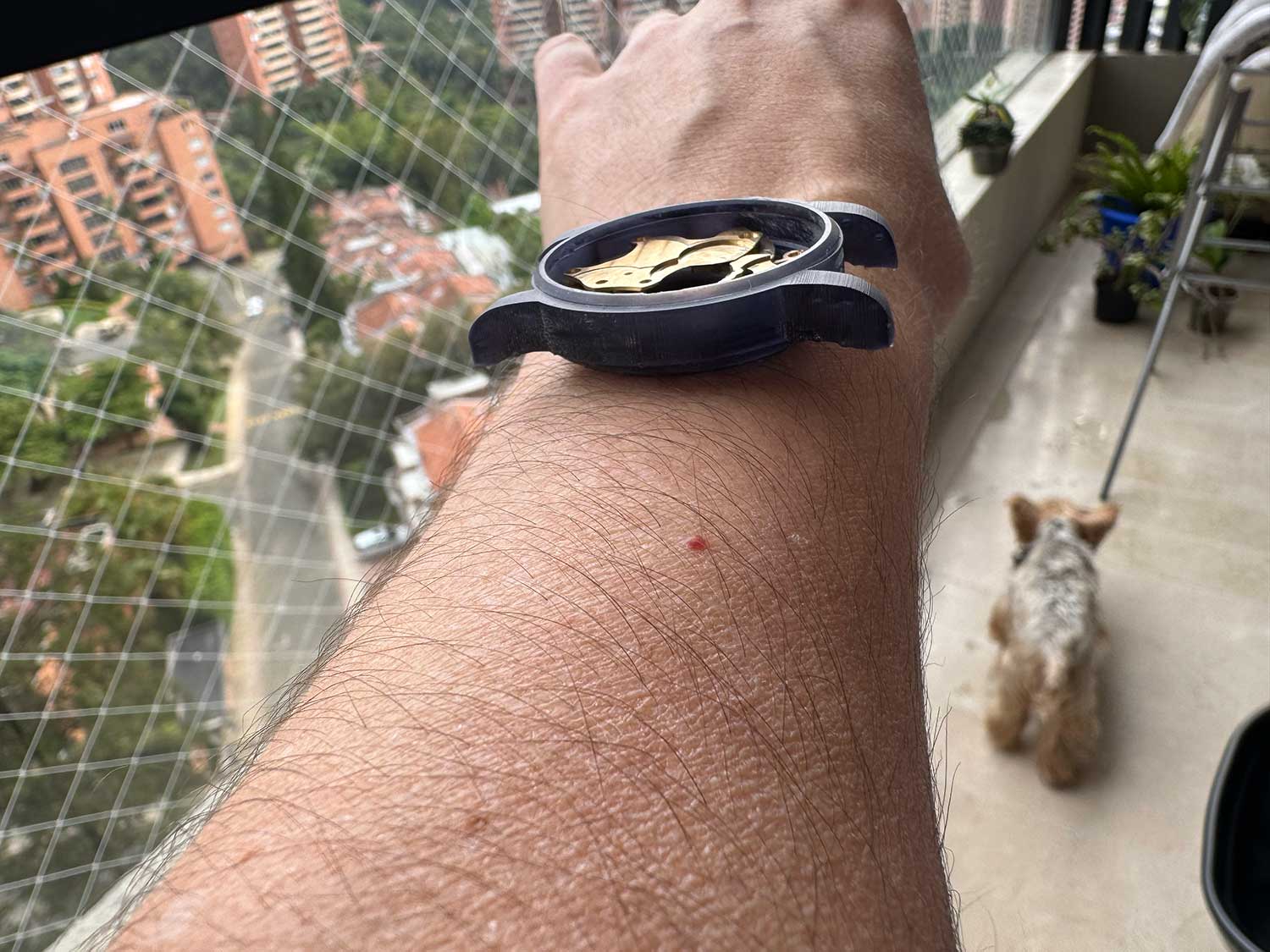
Wow—first case 3D print is here! Seeing the design come to life in physical form is incredible. Huge thanks to Alexis for setting up the resin print and making this happen! 🙌
And with two parts printed, I can finally start getting a real sense of how everything fits together. There’s still a lot to refine, but this is a huge step forward. 😊
Excited to keep iterating and improving—more updates soon!
TLDRTo improve air quality and reduce eye irritation, the author moved machines closer to a window for better ventilation after the Lathe3 incident. While hoping for fewer fumes, they're also crossing their fingers the noise doesn't bother neighbors. Bonus shoutout to Alexis for the assist! 🤞
Show moreShow less
Machine Move for Better Air Quality
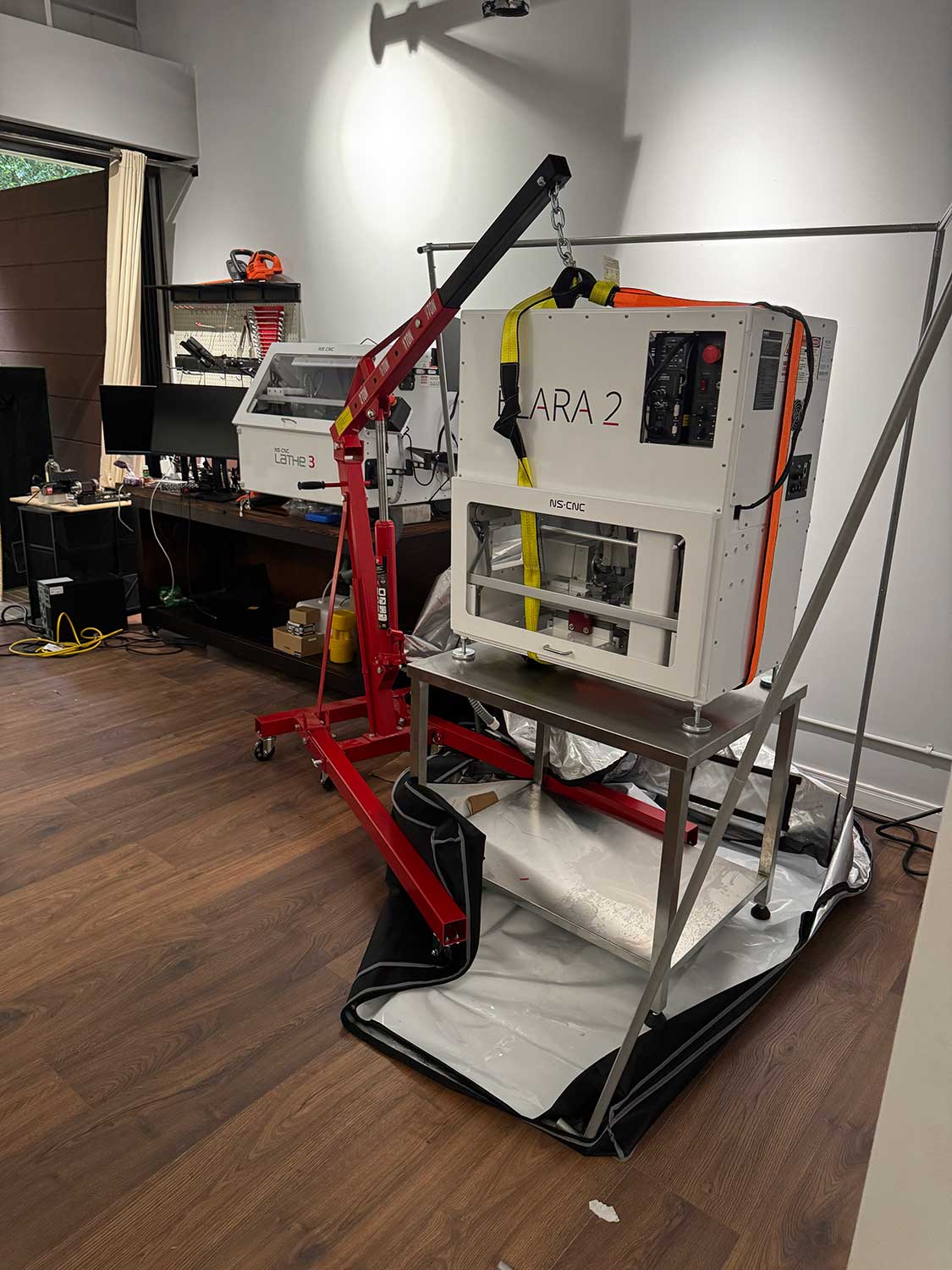
After the Lathe3 disaster, I needed to take my mind off things. At the same time, I’ve been dealing with some eye irritation from the coolant, so I figured it was the perfect moment to tackle another issue—air quality.
I decided to move the machines closer to the window to get better ventilation. Hopefully, this helps with the fumes and reduces irritation while I work. 🤞
Now, let’s just hope the neighbors don’t start complaining about the noise. 😅 Fingers crossed this setup works better for both my eyes and everyone around me!
TLDRPlugged a NSCNC Lathe3 into the wrong voltage—220V—and it went boom! 💥 Now dealing with the frustration and damage, but grateful for NSCNC's support in fixing it. Remember: always double-check power requirements before plugging in new gear! ⚡
Show moreShow less
Catastrophe! 😭
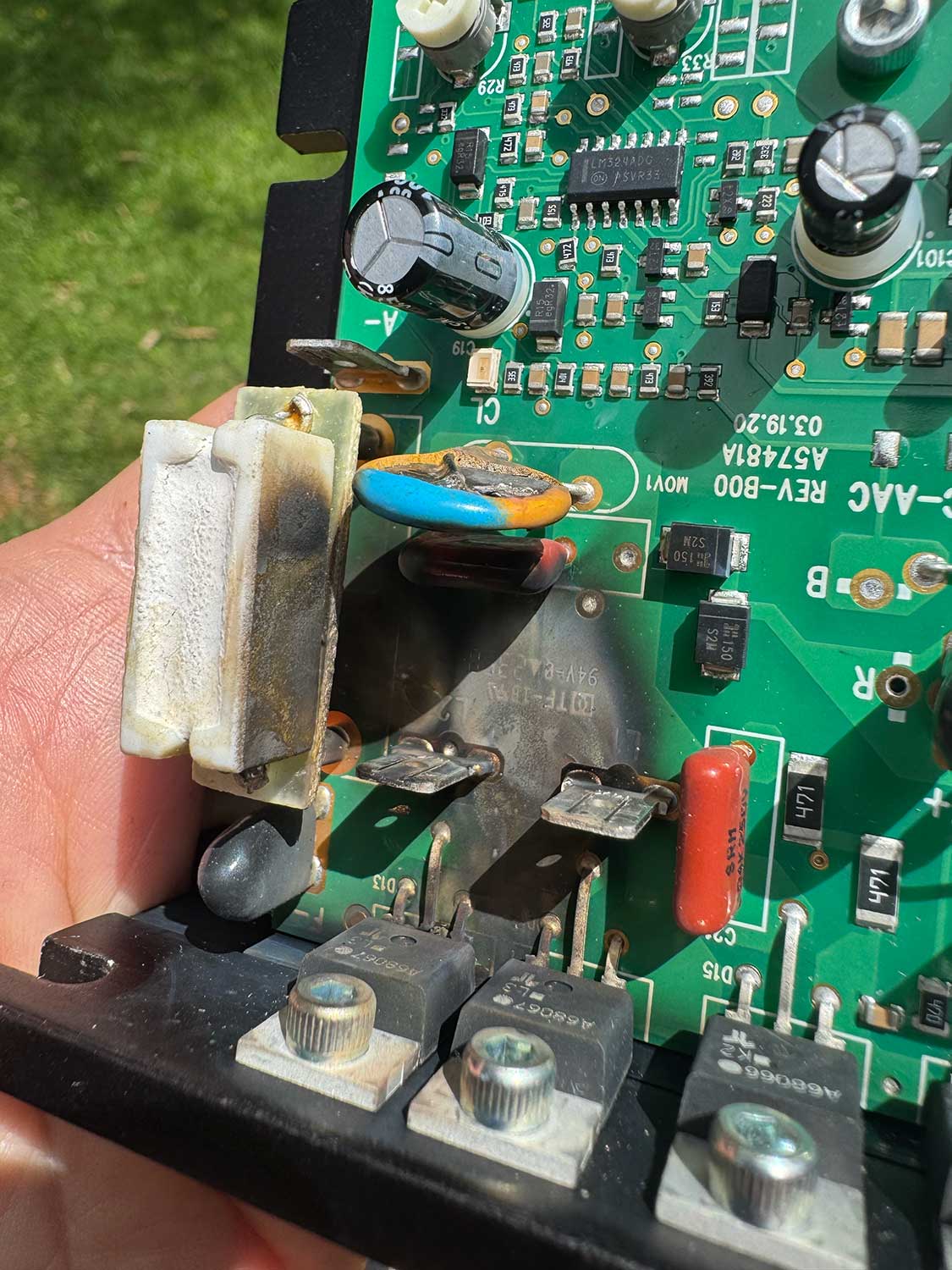
Oh no… absolute disaster. I was so excited to get started with the NSCNC Lathe3, but in my enthusiasm, I made a huge mistake. I connected it to 220V—and it wasn’t ready for it. Boom! 💥
Just like that, excitement turned into panic. I knew something was wrong the moment it happened, and now I’m left figuring out how bad the damage is. This hurts. 😞
Lesson learned the hard way—always double-check power requirements before plugging in new equipment. Hoping I can get this fixed soon and back on track. For now… just dealing with the frustration. 😩
Thankfully the guys at NSCNC where understanding and are guiding me on how to fix it
TLDRThe NSCNC Lathe3 is here, promising a big leap forward in precision machining for projects requiring high accuracy, like balance staffs and screws. The arrival marks the beginning of a learning journey as the setup begins, with first tests and impressions to follow soon. If you’re into precision parts, this is something to watch for! 🎉
Show moreShow less
NSCNC Lathe3 is Here! 🎉
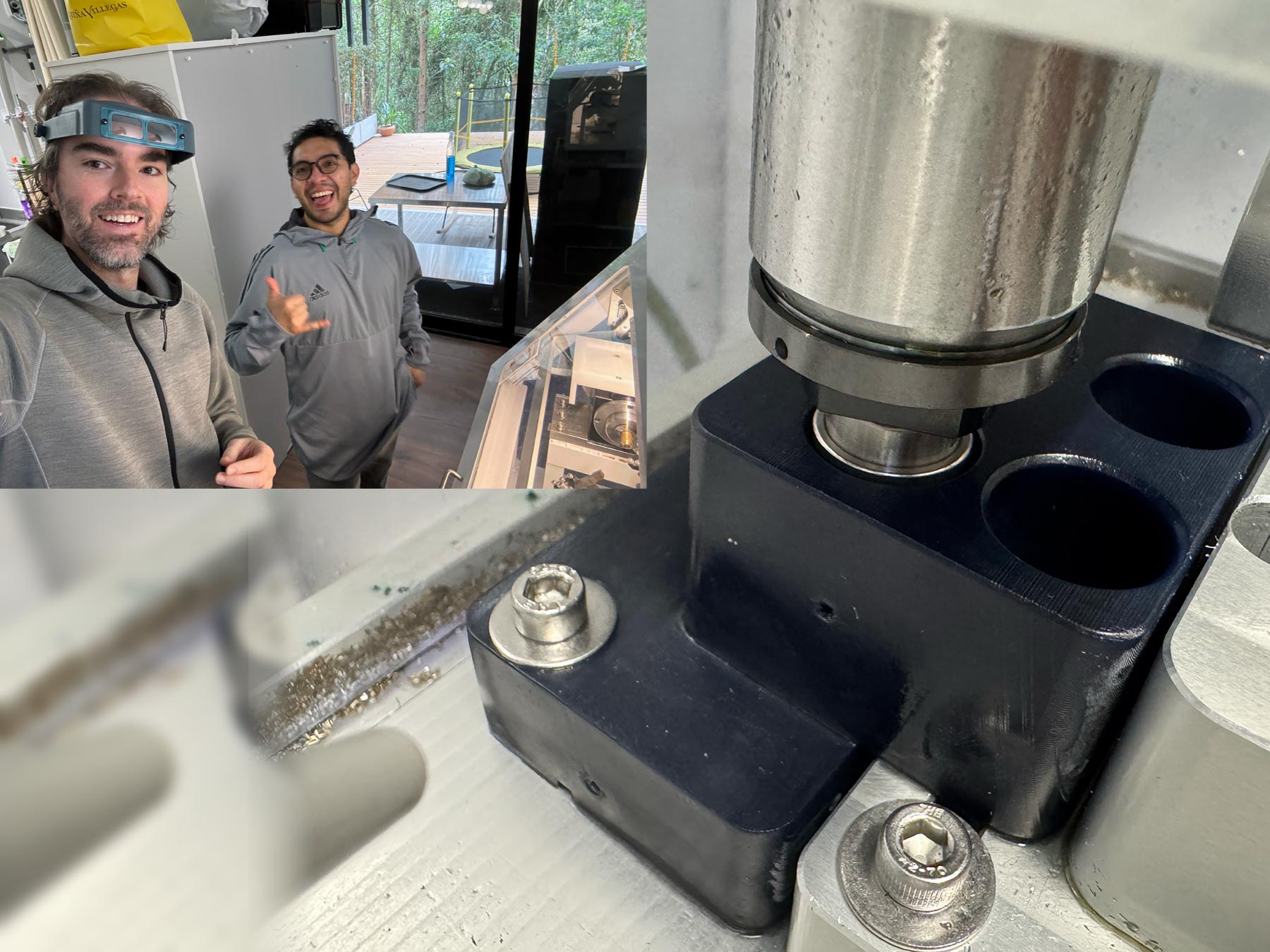
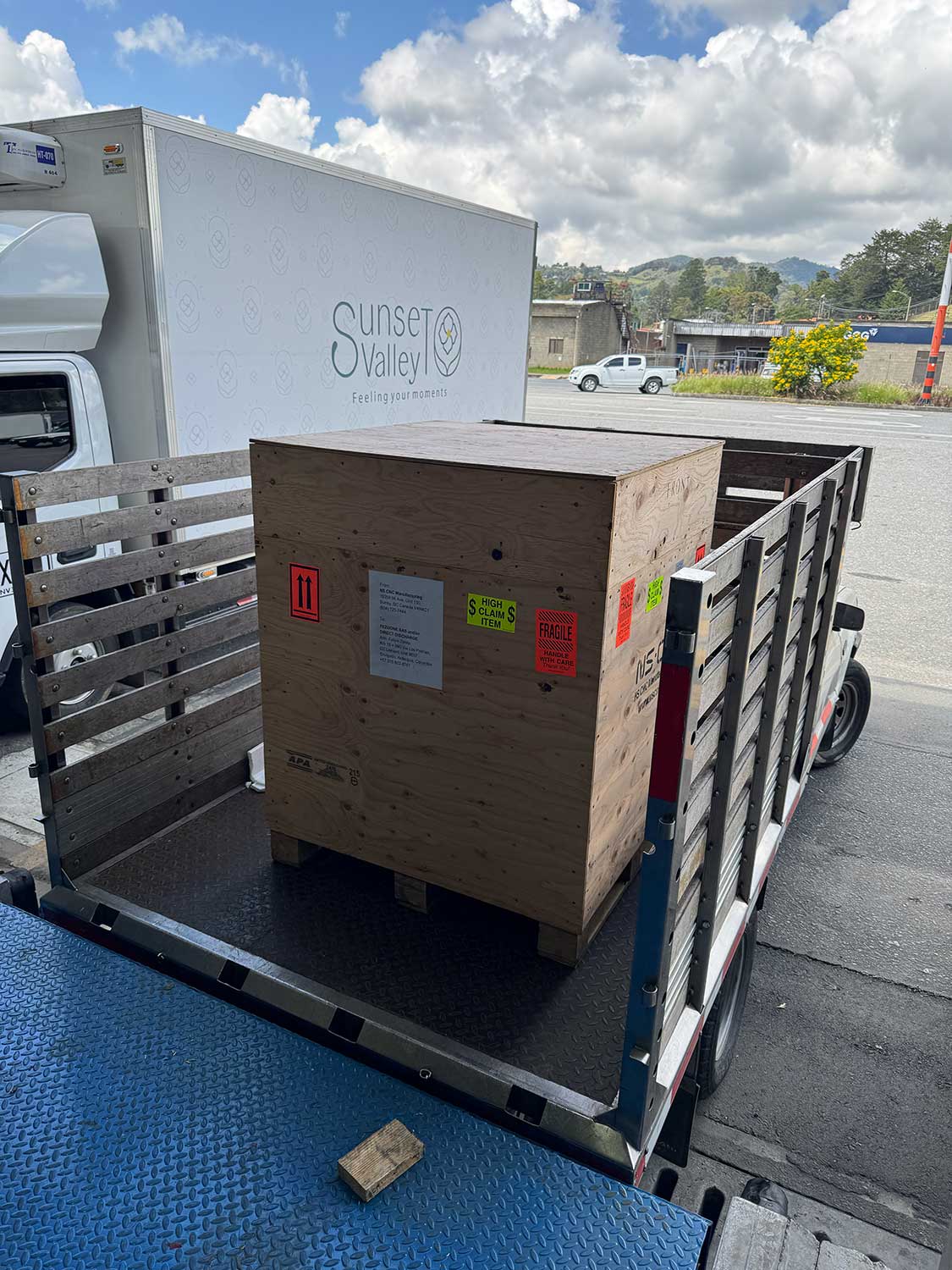
Finally—my NSCNC Lathe3 has arrived, and I couldn’t be more excited! 😁 This marks a huge step forward in precision machining, and I can’t wait to start turning some high-accuracy parts.
Having a dedicated lathe opens up so many possibilities, especially for making components like balance staffs, screws, and other fine details that require tight tolerances. It’s going to be a steep learning curve, but I’m ready to dive in!
First up—getting everything set up and dialed in. Stay tuned for first tests and impressions soon! 🚀
TLDRAligning the 4th axis is crucial in machining; a tiny 0.385-degree error can make "flat" surfaces not truly flat. Switching from a bubble to a digital inclinometer drastically improved accuracy, leading to better setups and cleaner cuts. Precision tweaks might seem small, but they make a big difference in achieving those tight tolerances. 🚀
Show moreShow less
Dialing in the 4th Axis: Precision Matters
Getting the 4th axis perfectly aligned has been a challenge, but I’m making progress! I was using a bubble inclinometer for setup, but it turns out I was getting a 0.385-degree error. That might not sound like much, but in machining, that’s enough to make flat not actually be flat. 😩
To fix this, I switched to a digital inclinometer, and the difference is night and day. The accuracy boost means better setups, cleaner cuts, and fewer headaches down the line. 😊
It’s crazy how small misalignments can create big issues, but it’s all part of learning and refining the process. Onward to even tighter tolerances! 🚀
TLDRTurning digital simulations into real-world machining is an exciting blend of precision and unpredictability. Watching software predictions from tools like Fusion 360 come to life on a mill is mesmerizing, though real life throws in quirks like tool deflections and material variations. Each test helps refine the process, bridging the gap between digital and physical, making the learning curve both steep and rewarding. 🚀
Show moreShow less
From Simulation to Reality: A Fascinating Process
One of the most fascinating parts of this journey has been seeing the machine simulation in software and then comparing it to what happens in real life. Watching the toolpaths play out in Fusion 360, predicting each cut, and then seeing the actual mill replicate it with precision—it never gets old! 😊
Of course, real life always brings small surprises. Tiny adjustments, tool deflections, or material variations can make a difference, but that’s what makes machining so interesting. Learning how to bridge the gap between digital perfection and physical execution has been a steep but rewarding challenge.
Each test piece refines the process, and I’m getting closer to fully trusting the workflow. More to come as I continue dialing everything in! 🚀
TLDRNailed the second milled piece, and it's smoother than ever! Learning tons with each run, I'm getting the hang of using Fusion 360 and the 4-axis mill. Precision and surface finish are looking sharp, and while there's still room to improve, this is a solid step forward. 🚀
Show moreShow less
Second Milled Piece: More Progress! 🎉
Another milestone—the second milled piece is done! Each run is getting smoother, and I’m learning a ton along the way. The workflow from Fusion 360 to the 4-axis mill is starting to feel more natural, and refining the process with tool changes is becoming second nature. 😊
This time, I focused on improving precision and surface finish, making adjustments based on what I learned from the first piece. It’s incredible to see the details come through with each refinement.
Still plenty to optimize, but this is another step forward. Onward to the next cut! 🚀
TLDRBig news: I just milled my first piece! 🎉 The journey's been a steep learning curve, but the payoff is seeing my brass design come alive, thanks to a 4-axis setup and some tool swapping magic. Huge shoutout to Alexis for learning alongside me—couldn't have done it without that teamwork! 🙌
Show moreShow less
A Steep Learning Curve, but Big Progress!
Wow—this has been a steep learning curve, but every challenge has been worth it! From refining designs to getting hands-on with the mill, it’s been an intense but rewarding process.
A huge thanks to Alexis, who has joined me for a few months to learn alongside me. Having someone to discuss ideas and troubleshoot with has made a big difference. 🙌
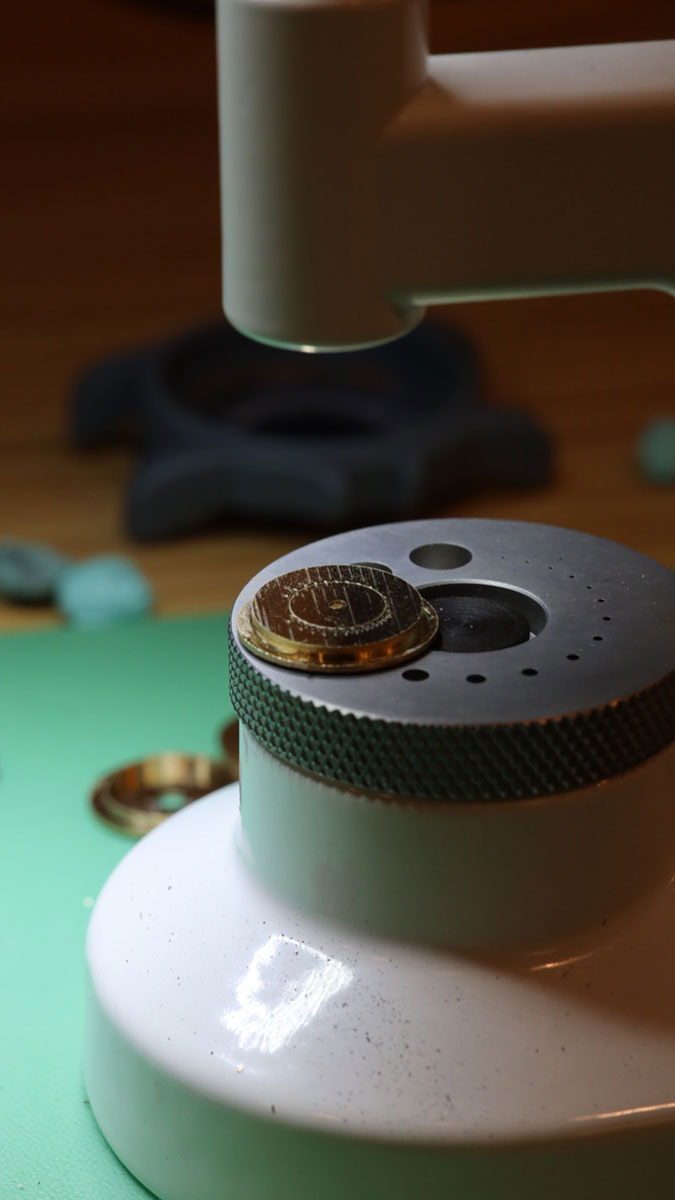
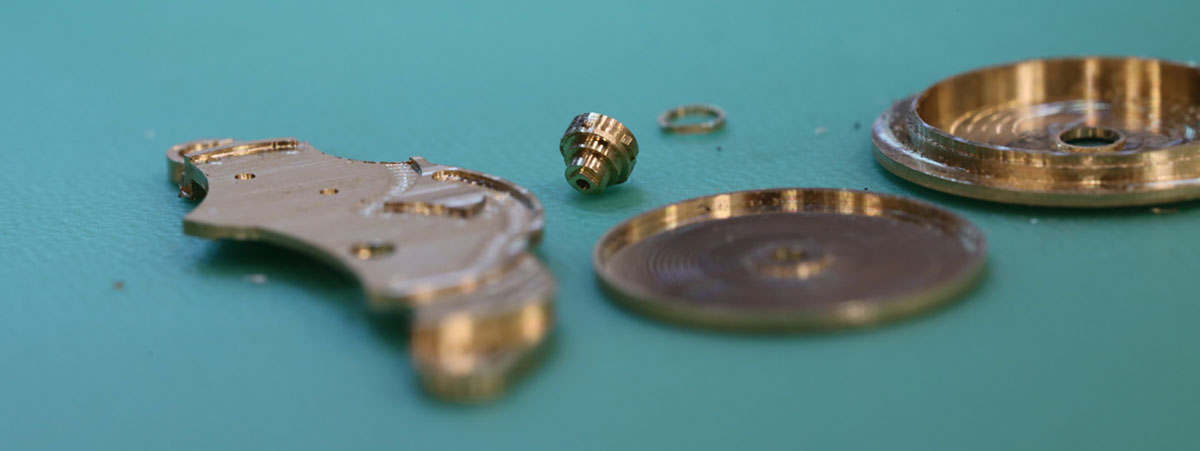
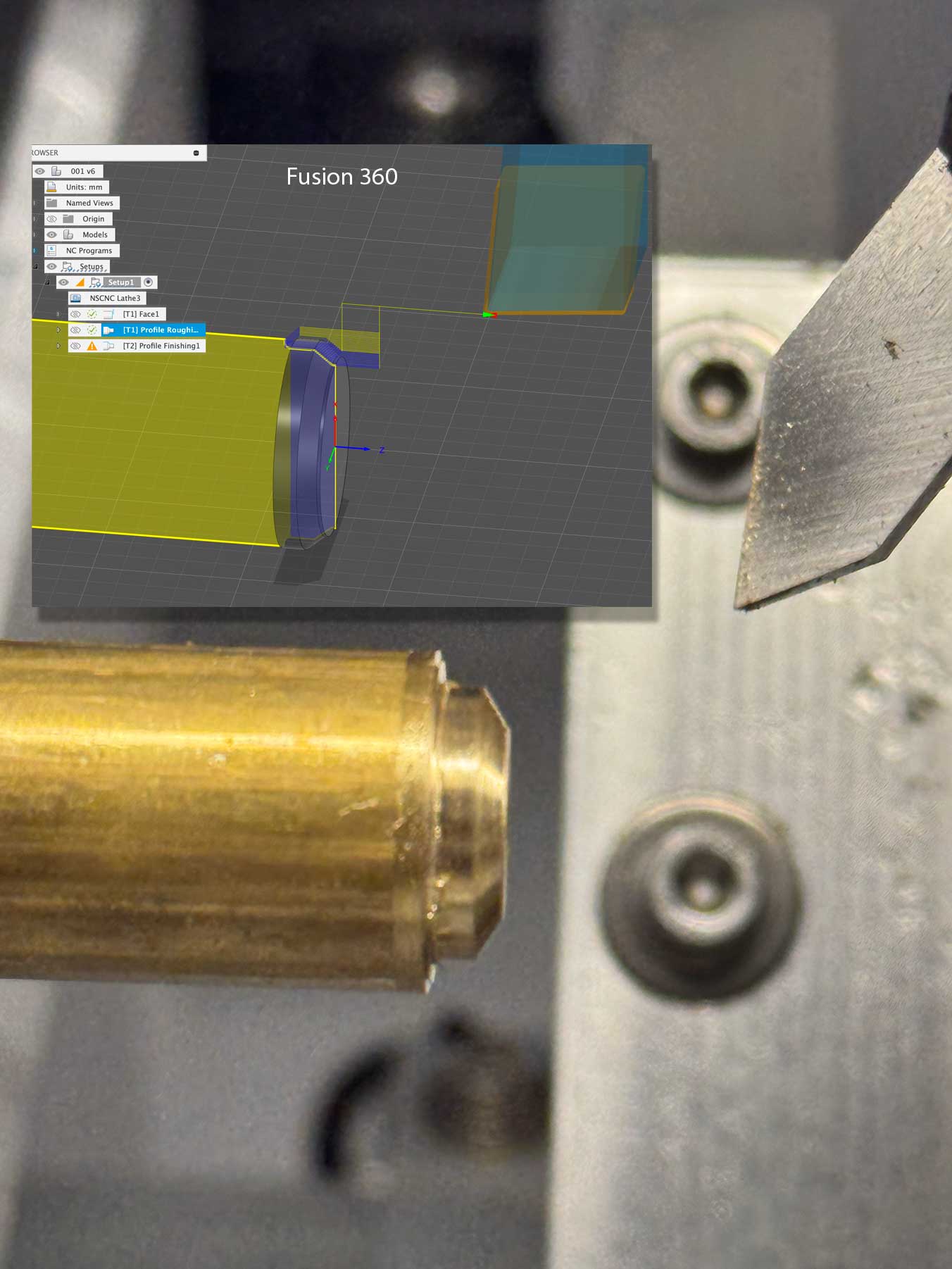
And today marks another milestone—the first piece has been milled! 🎉 Using a 4-axis setup, I machined a brass H62 (50x50x2mm) stock, fully exported from Fusion 360. This run even included a tool change, swapping between a 3mm diameter and 1mm diameter tool (#HarveyTool) to capture the finer details.
Seeing the machine in action, handling the transitions smoothly, and watching the design come to life in metal was incredible. There’s still so much to refine, but this first cut is a huge step forward. Onward to the next challenge! 🚀
TLDRDesigning bridges is tricky, but progress is happening! 🎉 The challenge is fitting the design into a 32.8mm diameter while keeping it both balanced and visually appealing. Although the first version isn’t perfect, it’s a promising start and there's plenty of room for refinement and creativity ahead.
Show moreShow less
Bridges: A Tough Challenge, but Progress is Here
The bridges have been a real challenge to design! It’s taken a lot of trial and error, and while I now have a very first version, I’ll admit—it’s not perfect yet. I’m not 100% in love with it, but I can already tell it’s going to look awesome once everything comes together. 😊
One of the key constraints I’m working with is a target diameter of 32.8mm. Getting everything to fit within this space while maintaining a balanced and aesthetic layout has been tricky, but I’m making steady progress.
Bridges are such a key element, both structurally and visually, so I’m determined to refine this design further. For now, though, it feels good to have a starting point and to see the movement take another step forward.
Stay tuned as I keep tweaking and improving—there’s still plenty of room for creativity and polish!
TLDRI hit a snag while working on my keyless works design: I realized that having just one intermediate wheel made the sliding part too long. I'm fixing it by adding another wheel and shortening the sliding path, which should enhance the functionality. It's all about learning and tweaking until it clicks! 😊
Show moreShow less
Keyless Works: Learning, Adjusting, and Improving
Today, I continued working on the keyless works, diving deeper into the details and learning more with every step. Along the way, I discovered a mistake in my design that needed fixing: I had planned for just one intermediate wheel, which made the stem’s square sliding part way too long!
To solve this, I’ll be splitting the design into two intermediate wheels tomorrow and shortening the sliding path. This adjustment should improve the overall functionality and bring everything into better alignment. 😊
It’s all part of the journey—learning, refining, and iterating until it works perfectly. Stay tuned as I put this new plan into action and keep moving forward!